

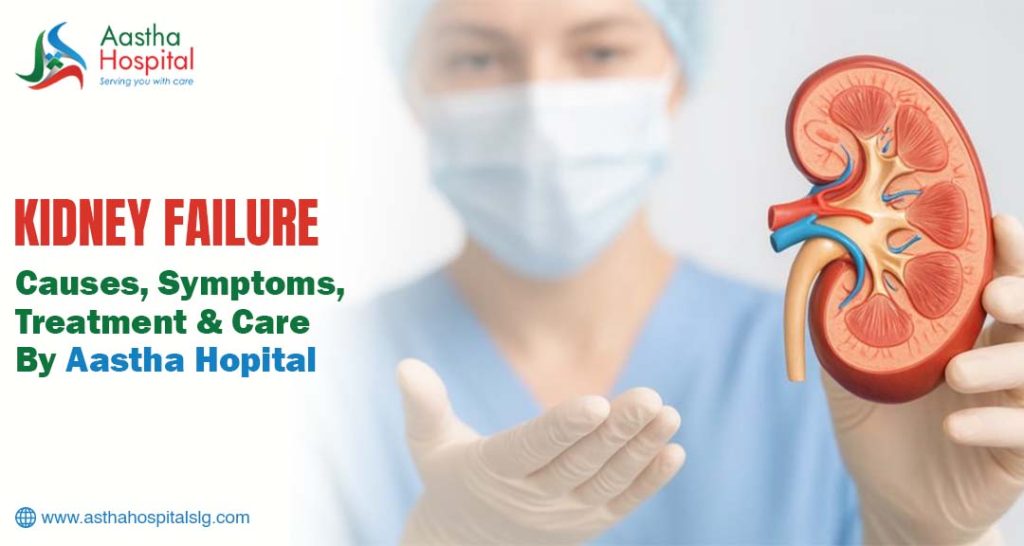
Kidney health is essential for overall well-being. When the kidneys stop functioning properly, the dangerous waste begins to accumulate in the body. This may cause severe health complications when left untreated.
Kidney failure refers to the inability of your kidneys to work properly to keep you alive. It may grow rapidly (acute kidney failure) or gradually due to chronic kidney disease (CKD). Once the CKD becomes terminal, it is referred to as end-stage kidney disease (ESKD) or renal failure.
Renal failure is chronic and can be fatal. In the absence of treatment, life expectancy is in days or weeks – not months or years. However, with the proper treatment, everything is different. Kidney failure patients can live a long life with proper medical treatment.
The figures are truly surprising. In the United States alone, almost 750,000 individuals are presently living with kidney failure. Worldwide, the figure is over 2 million. And the state of affairs is likely to get worse – analysts think that more than 1 million Americans alone may be impacted by 2030.
Without treatment, chronic kidney failure is fatal. With proper treatment, you can still live a full life.
At Aastha Hospital, best multispeciality hospital in Siliguri, patients receive superior care, expert specialist support, and advanced treatment for all types of kidney-related problems.
The Five Stages of Kidney Failure
CKD is measured using your estimated glomerular filtration rate (eGFR) — a calculation of how well your kidneys are working. A normal eGFR is above 60.
- Stage I — eGFR above 90. Kidneys function normally. CKD is only diagnosed if other kidney tests show changes.
- Stage II — eGFR between 60–89. Kidneys still work well. Diagnosed only if other signs of CKD are present.
- Stage III — eGFR between 30–59. Mild to moderate loss of kidney function.
- Stage IV — eGFR between 15–29. Severe kidney function loss. Mild symptoms may begin to appear.
- Stage V — eGFR below 15. Kidneys are at or near complete failure. Symptoms become noticeable, and treatment becomes essential.
End Stage Renal Failure
When the eGFR drops below 15, the kidneys are at or near complete failure. This is the most critical and final stage of chronic kidney disease – known as End-Stage Renal Disease (ESRD) or end-stage kidney failure.
At this point, the kidneys can no longer filter waste, balance fluids, or regulate essential minerals on their own. Without treatment, survival is not possible.
Causes of Kidney Failure
Kidney Failure Causes.
The first step to preventing kidney disorder is to understand its causes. Some conditions, most of which can be managed, may slowly destroy the kidneys.
Diabetes
The most common cause of kidney failure is high blood sugar.
- Continuously high sugar levels destroy the tiny blood vessels within the kidneys.
- With time, the kidneys become incapable of effectively filtering waste.
- This progressive damage results in chronic kidney disease in case it is not managed.
High Blood Pressure
The uncontrolled blood pressure places a lot of pressure on the kidneys.
- The blood vessels in the kidneys are stretched and torn by high pressure.
- Broken vessels are unable to filter blood.
- Damaged kidney functions at the time elevate blood pressure even more- a vicious circle.
Infections
Unattended infections may go deep into the kidneys, resulting in severe damage.
- UTIs that are not treated may spread to the kidneys.
- Kidneys are infected, inflamed, and swollen.
- In severe or repeated infections, permanent damage to the kidneys may occur with time.
Genetic Disorders
There are inherited kidney diseases that are familial.
- Polycystic kidney disease (PKD) is a disease that leads to the formation of fluid-filled cysts on kidneys.
- These cysts develop over a long period and lower the functioning of the kidneys.
- It is important to screen early in life because the symptoms may not manifest themselves till later in life.
These conditions and complications can be managed in Siliguri and can be prevented through early diagnosis and kidney failure treatment. Symptoms should not be ignored until it is too late.
Symptoms of Kidney Failure
Symptoms of kidney problems are not very significant at the early stages; however, they can be the signs of serious problems.
The following is the meaning of each sign:
Oedema in the Legs or Face
Weak kidneys fail to remove excess fluid in the body. This results in edema (swelling), particularly in the legs, ankles, feet, and occasionally the face.
Frequent Urination Changes
If you notice changes in urination frequency or timing, consult a doctor. If you notice any alteration in urine color, foaming, or blood, this is one of the symptoms.
Fatigue and Weakness
Damaged kidneys gather toxins in the blood. You feel fatigued. It may also result in low levels of red blood cells. It makes you weak and lacking energy.
Loss of Appetite
Digestion may be slowed down by accumulation of waste in the body, and may cause you not to want to eat. It can also result in nausea or a bad taste in the mouth.
High Blood Pressure
Kidneys assist in regulating blood pressure. In cases where they are impaired, blood pressure may increase. Meanwhile, kidneys can be damaged by high blood pressure.
Nausea
The build-up of waste products in the body upsets the stomach. Sufferers will be prone to nausea in the morning or after meals. In due course, the patient’s appetite deteriorates, and this may lead to substantial weight loss.
Vomiting
An aspect closely associated with nausea. The body, unable to process toxins, may attempt to rid itself of them via vomiting. This may contribute to fluid and electrolyte loss, dehydration, and make taking medication regularly difficult.
Muscle Cramps
The body is not good at regulating correct mineral levels for calcium, sodium, and phosphorus. Mineral deficiency causes cramps, usually painful legs and feet during the night, which can interrupt sleeping patterns and affect day-to-day activities.
If you have any of these symptoms, early involvement with a kidney specialist in Siliguri can help prevent severe complications and preserve good health.
How Kidney Failure is Treated
- By Dialysis
Dialysis is a medical intervention that replaces the functions of the kidneys if they start malfunctioning. It removes waste products, excess fluids, and toxins in the blood.
Dialysis treatment is in two major forms:
- Hemodialysis
In this process, blood is filtered in a machine outside the body and then returned into the body. It is normally performed at a dialysis centre in Siliguri under medical guidance.
- Peritoneal Dialysis
In this procedure, the inside of the abdomen is used to filter blood in the body. It is sometimes possible to do it at home under guidance. Dialysis does not cure; however, it enables patients to live a healthier and longer life.
- By Kidney Transplant
A kidney transplant is the most effective long-term treatment for kidney failure. It offers a better quality of life, greater freedom, and longer survival compared to dialysis.
During a transplant, a healthy kidney from a donor is surgically placed into your body. Your failed kidneys are usually left in place unless they are causing problems.
What Sets Aastha Hospital Apart?
Nephrology with safety, comfort, and efficacy is all the more certain in Aastha Hospital. The dialysis unit here is equipped with the latest machines and operated by highly trained specialists.
So far as kidney treatment in Siliguri is concerned. It is widely available at Aastha Hospital, which would always help you embark on a journey. They are directed towards full medical treatment, which is always safe, comfortable, and comprehensive.
Advanced Dialysis Unit
It offers patients the most effective dialysis centre in Siliguri using advanced and modern dialysis machines. They ensure patient safety and well-being throughout their course of treatment, while reducing the possibilities of complications.
Experienced Nephrology Team
Aastha Hospital has the best nephrologists and experienced medical practitioners who understand how to treat kidney failure. This makes sure that diagnoses are accurate and patient treatment is precise. They ensure continuous patient monitoring during every dialysis session. and address any concerns promptly.
Affordable Treatment Options
This center provides you with a good solution to the expense of kidney treatments. It offers effective treatment plans at competitive prices to meet your budgetary needs.
Personalized Care Plans
Treatment and health plans are created and adapted to the specific needs and requirements of each patient. Personalized treatment is designed for better recovery and sustained long-term kidney disease management.
Continuous Monitoring and Support
Each patient’s health condition is different from others. The health and well-being of each patient are monitored closely during and after their course of treatment. The staff also supports patients and their families throughout the course. It helps them manage their health conditions.
Frequently Asked Questions (FAQs)
Q1. Is kidney disease curable?
Q2. How long does a dialysis session take?
Q3. Is dialysis safe?
Q4. When do early symptoms occur for kidney failure?
Q5. Is it possible to prevent kidney failure?
Final Thought
Kidney failure treatment may feel overwhelming, but having effective treatment and a good care team will help to manage your condition. You can also take effective control of your health by understanding dialysis and starting treatment as soon as possible. For an excellent kidney failure treatment in Siliguri, the Aastha Hospital, has you covered.
Don’t delay—take the first step toward better kidney health today.