

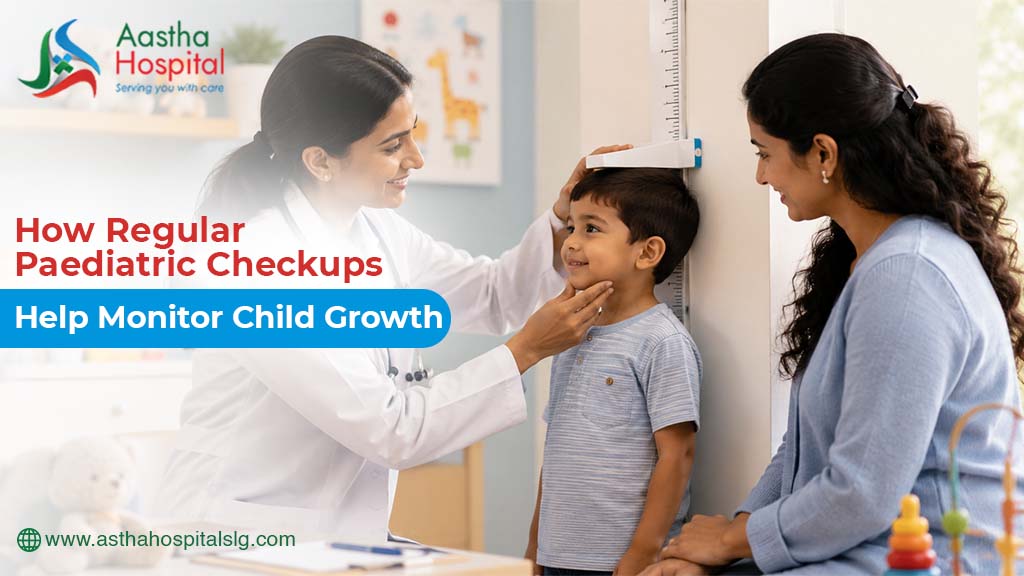
How Regular Paediatric Checkups Help Monitor Child Growth
Kids grow fast. The next month they’re in size 4 shoes, and the next month, they’re in size 4 shoes and nothing fits! There’s no need to think hard about it except to enjoy the ride, take pictures, make little pencil marks on a door frame, and laugh about how big they’ve gotten since last summer. But growing doesn’t come easily on the outside.
That’s where paediatric checkups can help. They are not only for when your child is unwell, or when there is an obvious problem. They’re the ones who will keep tabs on all the activity under the hood-before a distracted or concerned parent would notice anything.
So let’s examine the issue of why these visits are important, and what happens during a visit, without the jargon.
Understanding Paediatric Checkups
A paediatric checkup is a routine appointment with a child’s doctor, even though there may not be anything amiss. These occur at certain ages and run from infancy to the teen years on a more or less predictable schedule that most parents come to rely on over the years.
Every visit has a different aspect of it being checked. A baby’s checkup is not the same as a 10 year old, a teenager’s checkup is different, with fewer measurements and more conversation. The bottom line is always the same: catch it early when it’s simple to correct, not months later when it has had time to grow.
Parents often do not attend these visits because they feel their child is fine, jumping out of his or her skin. Of course, life is busy; everyone has their own schedule. It is, however, a lost opportunity. There are lots of problems that don’t exhibit any apparent symptoms until they’ve already taken a flying start.
Why a Pediatrician for Child Health Matters?
It’s not a doctor who just deals with colds and the occasional fever! They know child growth, development and changing interests, particularly as these interests change from one year to the next.
Adults’ and children’s bodies work differently, sometimes very differently. A paediatrician is aware of what is normal at each age, and just as significant, what isn’t. It’s that very knowledge that makes these checkups more important than a quick checkup at your General Practitioner or Family Doctor.
It’s also nice to have someone who has been your child’s pediatrician for a number of years. They begin to become familiar with your child, your family history, and your child’s little quirks and patterns, and it becomes so much easier to notice when something is actually amiss.
What Happens During a Child Health Checkup
These visits usually follow a fairly simple rhythm. They’re quick, and most kids stop fussing about it once they get used to the routine.
Here’s roughly what gets covered:
- Height and weight measurements
- Vision and hearing checks
- A listen to the heart and lungs
- Vaccination updates
- A few questions about diet, sleep, and behavior
None of it takes long, ten or fifteen minutes, maybe. But each small piece adds up to a much clearer picture of how your child is really doing.
Paediatric Preventive Care: Catching Problems Early
Pediatric preventive care is really the whole point of these visits, more than the height chart or the stethoscope ever could be on their own. It’s about stopping problems before they start, not scrambling to treat them after they’ve already caused trouble.
That usually includes things like:
- Vaccinations on schedule
- Nutrition guidance
- Early screening for common conditions
- Advice on safety and development
Prevention is almost always easier than treatment, and a lot less stressful for everyone involved. A small issue, caught early, is usually simple to manage. That same issue, caught late, can turn into something far harder, and far more expensive, to fix.
Tracking Growth and Development in Children
This is not just about size and weight, but size and weight does matter. It also addresses speech, physical and social skills – those things that subtly contribute to a child’s overall development.
Growth charts are used by doctors to monitor a child’s growth over time by comparing each visit to their growth chart to the previous visit. Just one number doesn’t usually have much significance, and a little short or tall here and there is seldom a big deal. However, a pattern continues over months and years, and it is a true story, one that is not obvious from the outside.
Doctors notice quickly when growth suddenly slows down, or is below the anticipated level. That’s really the whole idea of having one set of measurements, not looking in when something feels wrong.
Pediatric Care for Infants and Children: What to Expect at Each Age
Care of this sort changes significantly as children grow. A newborn visit is so very different from a teenager’s checkup.
In general, this is what it looks like:
Infants: Regular check-ups, with an emphasis on feeding, weight and early development.
Toddlers: Fewer visits for toddlers, concentrating on speech, movement and behaviour.
Children ages 12 to 16: Annual checkups with emphasis on growth, vision and immunizations.
Teens: Mental health and lifestyle habits begin to be addressed on visits that also begin.
There are priorities for each stage. Which is why a paediatric check-up is never a one-size-fits-all affair.
Routine Child Health Screening: What Gets Checked
This covers a fairly wide range of things, some obvious, some easy to overlook entirely.
Common screenings tend to include:
- Blood pressure
- Vision and hearing tests
- Developmental milestones
- Anemia and other basic blood tests, when needed
- Mental health check-ins for older kids
Screening doesn’t automatically mean something’s wrong. It just means the doctor is looking closely, so nothing quietly slips past unnoticed.
How Often Should Paediatric Checkups Happen?
The short answer: more often when kids are very young, and gradually less often as they get older.
A rough guide looks something like this:
- Several visits in the first year of life
- Yearly visits from ages one through five
- Yearly visits through the school years and into the teens
Your child’s doctor might suggest extra visits if there’s a specific concern worth watching. That’s completely normal, and nothing to lose sleep over.
What Parents Can Do Between Visits
You don’t have to wait for a scheduled visit if something just feels off. Trust that instinct; it’s usually onto something.
Keep an eye out for things like:
- Sudden changes in appetite or sleep
- Unusual tiredness or low energy
- Delays in speech or movement
- Behavior changes that stick around longer than a few days
A quick call to your child’s doctor can clear up most worries fast, often faster than an afternoon of googling ever could. It’s always better to ask than to sit there wondering.
Final Thoughts
These checkups may sound monotonous and even insignificant, on top of all other pending tasks in your schedule, but they carry much more significance than meets the eye, identifying any early signs of concern, monitoring overall development and, more importantly, helping to put a parent’s mind to rest.
If it’s time for your child’s regular paediatric checkup at Aastha Hospital, please do not delay further. Let us provide your child the all-important all-round development that they deserve.